
Elbow To Knee Sit Up Movement
Latest Videos
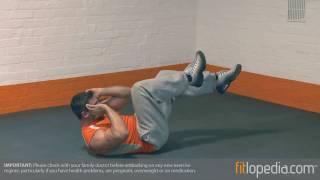
Elbow to Knee Oblique Crunch
fitlopedia
Elbow to Knee Oblique Crunches
Athlete Restoration Co.
Knees 2 Elbow Sit Ups
6 Pack Bootcamp
Elbow to Knee Crunch
strong republicElbow To Knee Sit Up Movement Workouts
Similar exercises

Weighted Hanging Leg Raise

Dragon Flag

Body Weight Hanging Leg Raise

Butterfly Sit Up
Muscles Involved
The elbow to knee sit-up movement is a dynamic exercise that primarily targets the rectus abdominis, which is the main muscle responsible for flexing the spine and giving the stomach its "six-pack" appearance. Additionally, this movement engages the obliques, responsible for side bending and rotational stability. The transverse abdominis also plays a vital role in stabilizing the core during the exercise. In terms of secondary muscle involvement, the hip flexors, including the iliopsoas, are heavily utilized to lift the legs, while the shoulders and chest contribute by supporting the upper body during the sit-up phase.
Top Mistakes
- Not controlling the movement: Many individuals rush through the exercise, leading to poor form and reduced effectiveness.
- Neglecting the neck: Straining the neck by lifting the head too high can result in discomfort and potential injury.
- Inadequate core engagement: Failing to stabilize the core can lead to overcompensation by the back muscles, which can cause strain.
- Incorrect leg positioning: Letting the legs drift out of position can make the exercise less effective and place unnecessary stress on the lower back.
Execution Tips
- Start lying on your back with knees bent and feet flat on the ground. Hands should be behind your head or crossed over your chest.
- Focus on engaging your core before initiating the movement, pulling your belly button toward your spine.
- As you lift your upper body, simultaneously bring one knee towards your chest while twisting your torso to bring the opposite elbow down toward the knee.
- Ensure that your neck stays relaxed and your chin is slightly tucked to keep the spine neutral.
- Lower your body back to the starting position slowly and with control, maintaining core engagement throughout the movement.
Workouts
The elbow to knee sit-up movement can be effectively incorporated into various workout routines. For beginners, aim for 2-3 sets of 10-15 repetitions on each side. As strength and endurance improve, increase to 3-4 sets of 15-20 repetitions. This exercise can be complemented by other core-strengthening exercises such as planks, Russian twists, and bicycle crunches. Allow for adequate rest between sets, typically 30-60 seconds, to enhance performance and recovery.
Conclusion
Incorporating the elbow to knee sit-up movement into your fitness regimen provides numerous benefits, including improved core strength, enhanced stability, and better overall functional fitness. Its dynamic nature engages multiple muscle groups simultaneously, maximizing workout efficiency, and contributing to better posture and reduced risk of injury. With proper execution and consistency, this exercise can be a valuable addition to any core training program.
By Jonh Mana (Fitness Enthusiast guy)
• Updated: Oct 26, 2026
 Croppio your little gym bro. A killer workout generator.